Dog Rottweiler Heartbeat: A Designer’s Real-World Embroidery Review
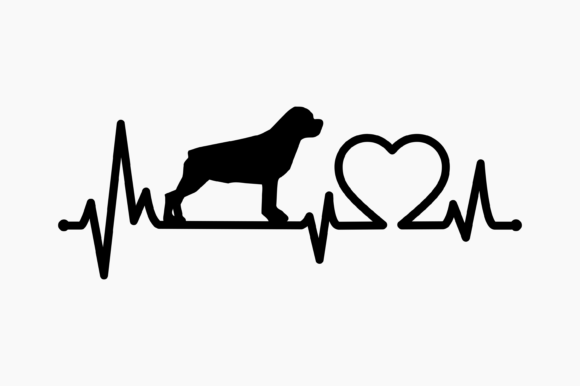
As a designer who’s stitched over 200 custom pet-themed embroidery projects — from boutique baby onesies to Etsy best-selling tote bags — I opened Dog Rottweiler Heartbeat expecting something bold, but not quite what I got: a quiet kind of strength. It’s not flashy or cartoonish. Instead, it balances the Rottweiler’s unmistakable profile with a soft, stylized heartbeat line that curves beneath like a gentle pulse. That duality — power and tenderness — is exactly why this design lands so well for handmade products meant to carry real emotional weight.
First Impressions: Mood, Shape, and Natural Fit
The silhouette is clean and confident — strong jawline, upright ears, and a slightly softened muzzle that avoids aggression while preserving breed authenticity. The heartbeat motif isn’t tacked on; it flows organically from the dog’s chest, echoing the curve of the ribcage. Visually, it reads at a glance, even at 3 inches tall — essential for sweatshirt fronts or pillow covers where subtlety can vanish under stitching distortion.
I immediately pictured it on a heavyweight organic cotton tote bag for a local dog rescue fundraiser. Not as a logo, but as a quiet statement — stitched in charcoal gray thread on oat-colored canvas. No text needed. Just presence. That’s the kind of versatility Dog Rottweiler Heartbeat offers: it works equally well as a standalone emblem for a pet lover’s apron or as part of a curated nursery set (think: embroidered tea towel + matching pillow cover).
Where It Shines in Real Embroidery Projects
- Custom apparel: Works beautifully on crewneck sweatshirts — the shape holds up across knit texture without needing excessive underlay. The heartbeat line stays crisp thanks to balanced stitch density in the satin and fill areas.
- Baby embroidery: On interlock cotton onesies or swaddle blankets, its gentle proportions avoid overwhelming small garments. The absence of tiny interior details means fewer thread breaks during hooping and stitching.
- Embroidered patches: Clean outer edges and moderate detail level make it ideal for iron-on or sew-on patches — especially when backed with lightweight fusible stabilizer.
- Holiday & gift embroidery: Paired with simple red or navy thread on cream linen, it reads as thoughtful, not kitschy — perfect for personalized Christmas stockings or anniversary gifts for Rottweiler owners.
- Craft business & Etsy listings: As a digital embroidery file, it’s highly marketable for sellers offering “custom pet portrait + heartbeat” bundles. Its consistent scale and clear focal point help buyers visualize finished products quickly — a big plus for printable mockups.
Where to Use It Thoughtfully
This isn’t a one-size-fits-all embroidery file — and that’s a good thing. Its character demands context. Avoid using Dog Rottweiler Heartbeat on fabrics that fight clarity: ultra-thin voile (stitch show-through muddies the heartbeat line), heavily textured burlap (disrupts smooth satin stitch flow), or high-stretch performance knits (unless you’re using cutaway stabilizer and reducing stitch density manually).
On curved surfaces like caps or structured hats, test placement first — the profile’s width may require slight left/right centering adjustment to prevent distortion at the crown seam. Also, skip dense layering: don’t stack it over busy prints or heavy appliqué. Let it breathe. And if you’re stitching on dark fabric, confirm your thread color delivers enough contrast — especially along the heartbeat curve, where subtle tonal shifts can blur definition.
What It Adds to Your Finished Product
Dog Rottweiler Heartbeat quietly elevates perceived value. It doesn’t scream “handmade!” — it whispers craftsmanship. Customers notice the balance between bold outline and delicate rhythm. That translates directly to trust: when someone sees this on a custom-embroidered kitchen towel, they read care, intention, and understanding of both dog and design.
For small shop owners and craft fair vendors, it supports brand consistency without locking you into a single aesthetic — pair it with neutral thread palettes for a modern look, or rich burgundy/gold for vintage warmth. And because it avoids trendy elements (no glitter effects, no exaggerated eyes), it ages gracefully in your product catalog.
Practical Designer Notes Before You Stitch
- Always run a test stitch on scrap fabric matching your final project’s weight and stretch — especially for baby items or apparel meant for frequent washing.
- Check thread color contrast on both light and dark backgrounds. Try black thread on natural linen and cream thread on navy denim to see how the heartbeat line holds up.
- Review stitch density — if your machine struggles with tight fills, consider simplifying inner areas manually or adjusting density in your embroidery software.
- Confirm hoop size compatibility. While the design scales well, extremely small versions (<2") may lose definition in the ear tip or heartbeat endpoint.
- Inspect corners and curves in your embroidery software preview — look for potential jump stitches near the heartbeat’s peak or tail end.
- Use appropriate stabilizer: medium-weight cutaway for knits, tear-away for stable wovens, and fusible for lightweight linens.
- Verify licensing terms before selling finished items — the listing states “unlimited use,” but always double-check scope for commercial embroidery or resale of digital files.
Bottom line? Dog Rottweiler Heartbeat isn’t just another graphics download. It’s a considered design asset — one that earns its place in your embroidery library by supporting real projects, real customers, and real emotional resonance. Whether you’re building a craft business, personalizing gifts, or refining your signature style, this design doesn’t distract. It connects.