Scooter: A Clean, Versatile Embroidery Design That Delivers
As a designer who’s stitched hundreds of custom pieces—from boutique baby onesies to Etsy best-selling tote bags—I opened Scooter expecting something playful but practical. What I found was a smart, balanced graphic: bold enough to read at a glance, simple enough to stitch cleanly across fabric types, and flexible enough to serve both hobbyists and small craft businesses. It’s not flashy or overly detailed—thank goodness—and that’s exactly why it works so well in real embroidery projects.
First Impressions: Friendly, Functional, and Ready for Fabric
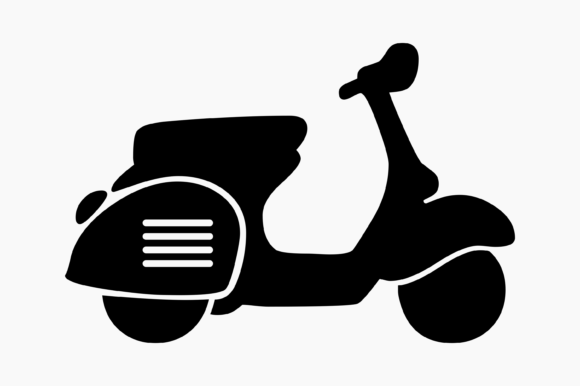
The Scooter design lands with cheerful energy—not cartoonish, not sterile. Its lines are smooth and intentional, with just enough curve and motion to suggest speed and joy without sacrificing clarity. There’s no fussy shading, no tiny interior elements that’ll vanish under thread, and no overlapping layers that complicate digitizing. Visually, it feels like a confident mid-century illustration translated into stitch-friendly form. That makes it ideal for crafts where personality matters but precision is non-negotiable: think embroidered aprons for a coffee shop, nursery wall hangings, or personalized sweatshirts for a school fundraiser.
Where Scooter Shines (and Where It Needs Thought)
I tested Scooter on a lightweight cotton tote, a medium-weight French terry sweatshirt, and a 100% cotton tea towel—all common staples for handmade product makers. On each, it held its shape beautifully. The clean outer silhouette translates directly into crisp satin stitch edges, while the open interior spaces allow for even fill stitch coverage without puffing or distortion. As a machine embroidery design, it’s forgiving: moderate stitch density means fewer thread breaks, less stabilizer bulk, and smoother transitions across seams or curved surfaces like cap fronts.
That said, it’s not magic. On stretchy knit fabric—like a soft baby onesie—I added light cutaway stabilizer and slowed my machine speed. Without it, the scooter’s front wheel detail softened slightly during stitching. And on dark fabrics? I swapped to high-contrast thread (white over navy, lemon yellow over charcoal) and confirmed visibility in a printable mockup first. For caps or curved garments, I’d recommend hooping with tear-away plus adhesive spray—Scooter’s symmetry helps, but any graphic needs secure placement when the surface isn’t flat.
Real-Life Use Case: A Boutique Baby Gift Set
Last week, I used Scooter on a set of organic cotton burp cloths and a matching muslin swaddle for a local baby boutique. We stitched it centered on the chest area of the swaddle and top-corner on each cloth. Customers loved the subtle nod to childhood mobility—playful but not cutesy, modern but warm. One mom emailed saying her toddler pointed and said “zoom!” every time she unfolded it. That kind of quiet recognition—that’s what makes Scooter more than decoration. It becomes part of the story your handmade product tells.
What This Means for Your Craft Business
If you’re an Etsy seller or small shop owner, Scooter is low-risk, high-return design assets. It scales cleanly from 2.5” patches to 6” sweatshirt backs—no pixelation, no redraw needed—because it arrives as SVG, EPS, DXF, and transparent PNG. That versatility lets you offer multiple product formats (embroidered patch, iron-on transfer, printed label) from one source file. For digital embroidery file sellers, it’s a strong candidate for themed bundles: “First Wheels Collection” alongside bicycle and tricycle graphics fits naturally in the Crafts category.
But don’t assume it’s plug-and-play for every context. On ultra-thin linen napkins or delicate silk-blend pillow covers, I’d simplify the wheel spokes manually in my embroidery software—or opt for a running stitch outline instead of full fill. Tiny details like the handlebar grip or rear fender line can blur if scaled below 1.75” without adjusting stitch type. Always test the embroidery file on scrap fabric first, especially if you’re layering it over textured weaves or quilting stitches.
Design Integrity Meets Customer Trust
Your buyers notice consistency. When Scooter appears on a holiday gift mug, a summer camp T-shirt, and a wedding favor pouch, it reads as intentional—not random clip art. That builds brand trust. Likewise, when customers see how crisply it stitches on your Instagram Reels or product photos, they infer care, professionalism, and attention to material behavior. That perception elevates perceived value—even on modestly priced items like kitchen towels or baby bibs.
For personalized gifts, Scooter also plays well with customization. Add a name in clean sans-serif above it, or pair it with a birth date in small block lettering below—its open composition leaves breathing room. Just avoid cramming extra elements into corners; the design’s charm lies in its simplicity, not clutter.
Practical Designer Notes Before You Stitch
- Always test on scrap fabric matching your final product’s weight and stretch.
- Check thread color contrast—especially for dark or heathered fabrics—using black-and-white mockups.
- Review stitch density before embroidering on heat-sensitive synthetics or layered garments.
- Confirm hoop size requirements if adapting Scooter for caps or curved surfaces.
- Inspect small details like wheel spokes or seat stitching at actual sew-out size—not just on screen.
- Use appropriate stabilizer: cutaway for knits, tear-away for stable wovens, fusible for lightweight linens.
- Verify licensing terms before selling finished products or reselling the digital embroidery file—this is essential for commercial embroidery and Etsy sellers.
In short, Scooter isn’t just another graphics download. It’s a thoughtful, production-ready asset—one that respects both the craftsperson’s time and the customer’s eye. Whether you're building a seasonal holiday embroidery collection, launching a new line of personalized baby gear, or refreshing your small shop’s tote bag design, Scooter brings cohesion, clarity, and quiet confidence. And in the world of handmade product and custom apparel, that’s everything.